

Cart
0


Made once Worn for years.
Most clothing is designed to be replaced.
Ours isn't.
Every pair is made once, on our own floor, with the intention that you won't need another one anytime soon.
SOH isn't here to chase seasons.
What you buy this year still make sense to wear five years from now - worn in, not worn out.


How it's made
Every piece passes through the same hands, the same machines, the same checks - cut, stitched, finished, inspected, all under one roof.
Zero tolerance for child or forced labour.
Fair wages, regulated hours, compensated overtime.


Sustainable Sourcing
Materials are chosen for impact and use, not for the story they'd make on a label.
We prioritize suppliers who follow responsible farming, processing, and manufacturing, without compromising how the fabric performs.
Waste is managed through efficient material use. Production choices are made with restraint, not for optics.
Decisions are reviewed and adjusted over time.
Accountability is built into how materials and systems are chosen, not bolted on after.
Denim poetry

Beginning
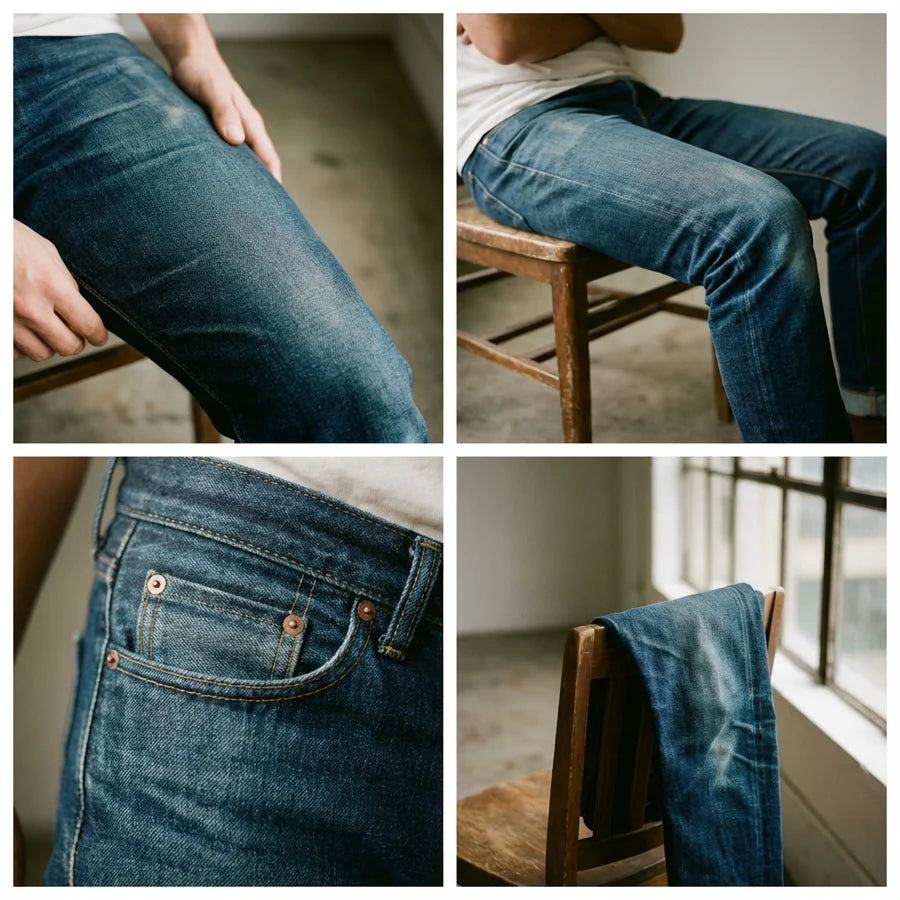
Denim was never meant to shout.
It began with work - movement, repetition, long days and became personal only through use.
Creases form where habits settle. Softness appears where time insists.
No two pairs carry the same record, and that difference was never designed.
It was earned.

Why we chose denim at all?
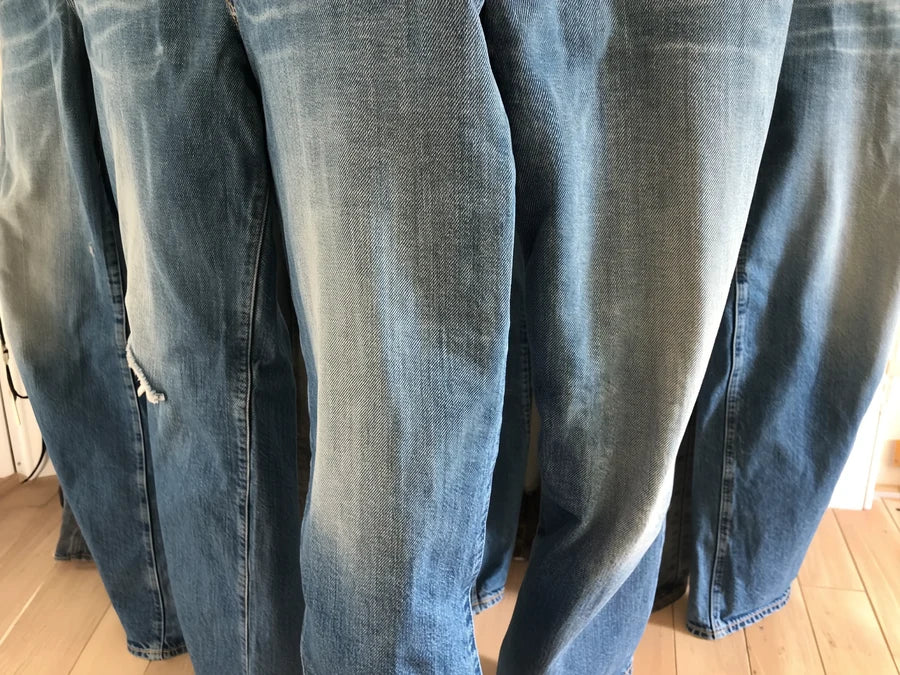
Few materials change in response to the person wearing them.
Denim does.
Longevity isn't an idea to us. It's a requirement. Denim earns its value through wear, not replacement.
We believe ownership should feel earned. Denim doesn't arrive finished, it completes itself over time, through routine, travel, work, rest, carrying the trace of each without asking for an explanation.

Reasoning Behind Silhouettes
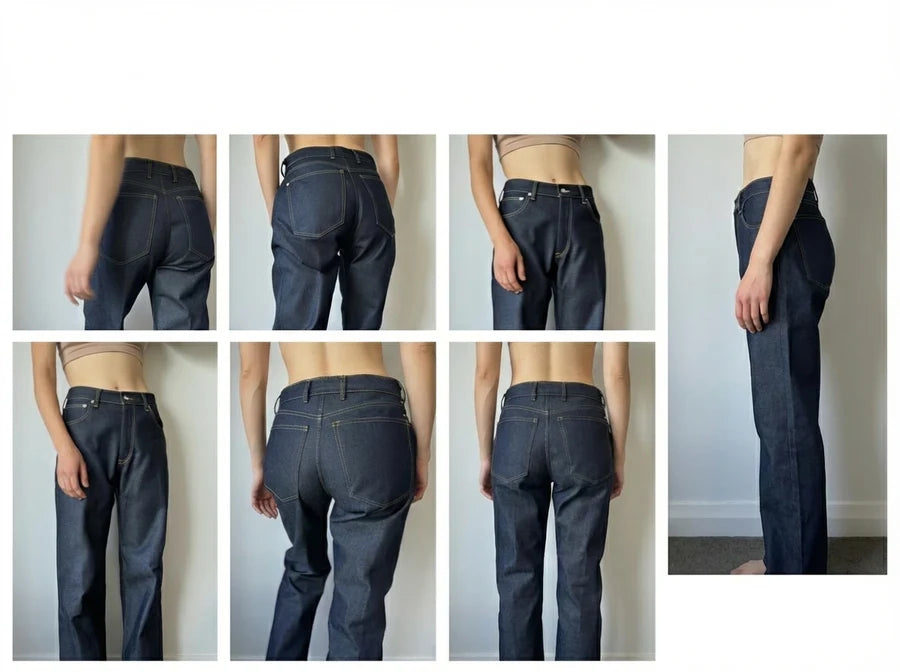
Every decision starts with proportion, how the fabric carries weight, where it holds structure, where it's allowed to relax.
The goal is consistency: a shape that returns to itself after movement, that improves with repetition instead of drifting from intent.
Denim is expected to evolve. Fit has to account for that. Each pattern is tested for how it wears in, not just how it looks new.

Material Philosophy
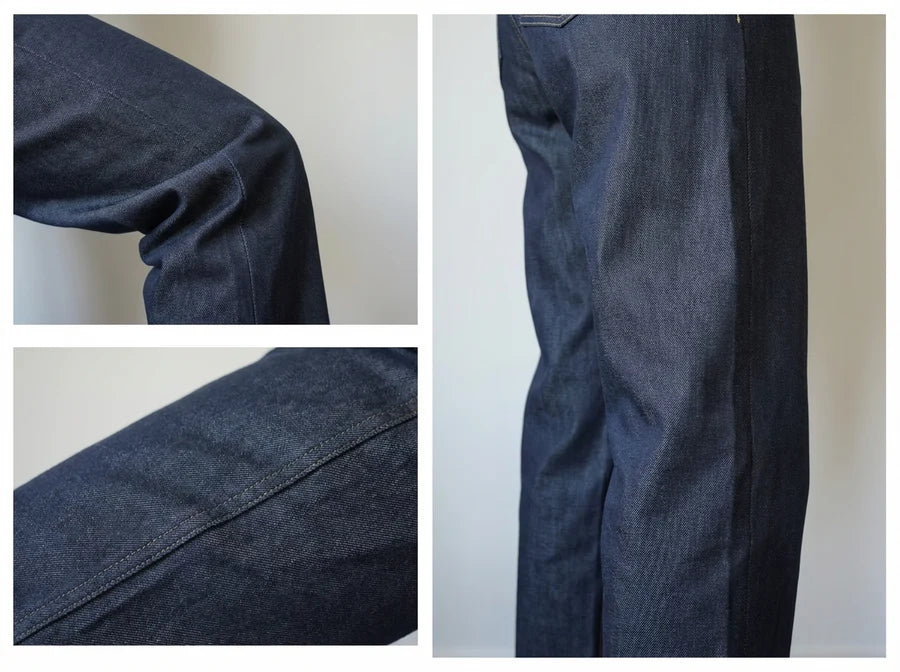
Weight is chosen for how it behaves, not how it feels on day one. The right balance holds structure while staying responsive to movement.
Structure matters quietly. How a fabric supports seams, absorbs stress, and recovers after use, that's what determines how long it stays reliable.
We watch how fabric creases, how it fades, how it settles. These shifts aren't defects.
They're evidence of use.

Quiet Craftsmanship
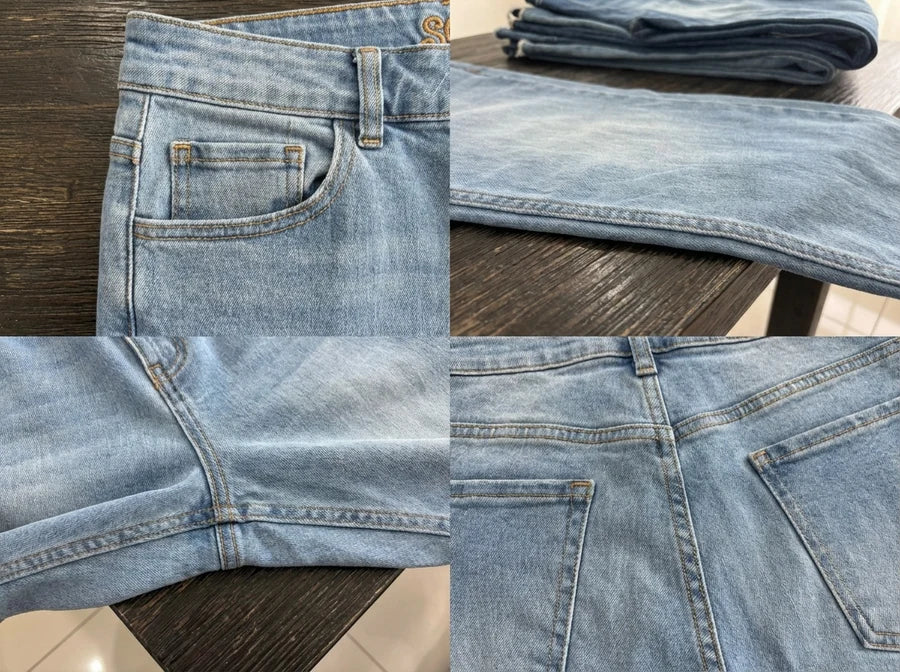
Stitching exists to manage stress. Every seam sits along a point of movement, tension, or repeated use. Strength comes from accuracy, not excess.
Seams are reinforced where the body demands it, and left clean where it doesn't. Stitch density, thread choice, seam finish, considered as a system that works together over time rather than competing for attention.
Good construction doesn't announce itself when new, and it doesn't fail when worn.

What We Add, What We Leave Out
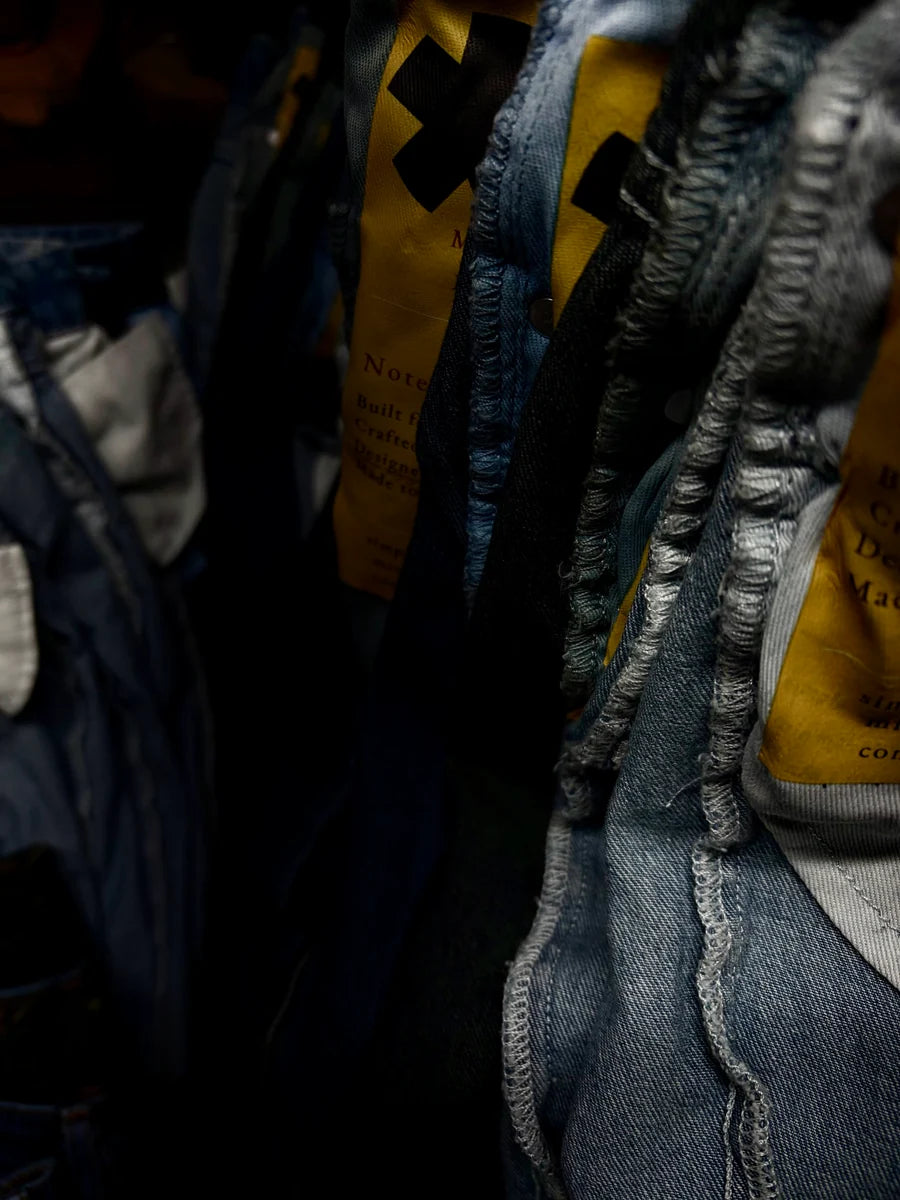
Every element has to earn its place. If it doesn't serve function, proportion, or longevity, it's removed. What remains is deliberate, details that clarify the garment instead of competing with it.
We design with a long view. Denim should feel relevant through repeat wear, not tied to a moment, which means avoiding excess, limiting variation, and choosing finishes that settle in rather than stand out.
Restraint lets the material speak. Nothing is added for emphasis. What remains is enough.

From Everyday to Intentional
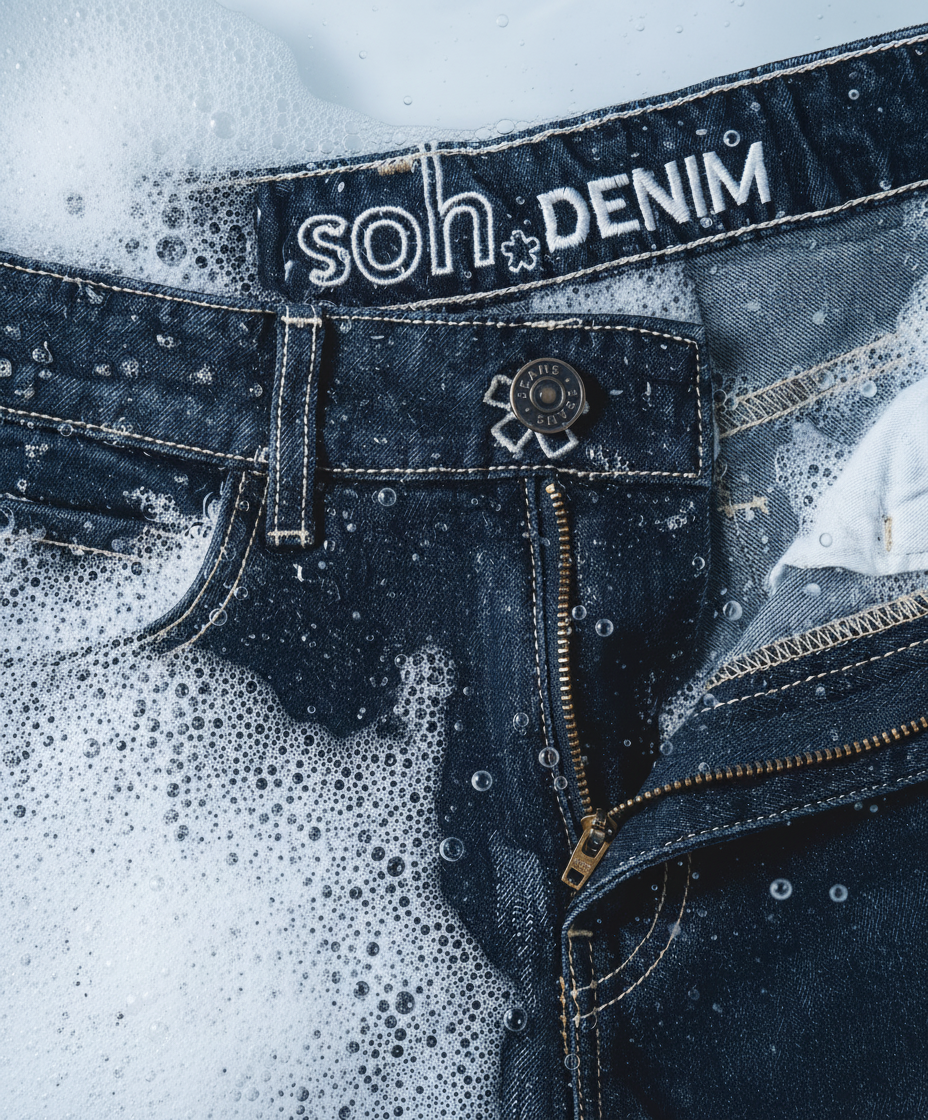
Denim moves easily between moments. It carries structure when needed and relaxes when it doesn't, worn through long hours, short walks, travel days, quiet routines, adjusting without instruction.
We value that adaptability. Not flexibility built through compromise, but balance, a material that stays reliable across settings without asking you to change your behaviour around it.
Denim works because it follows the wearer.
Not the other way around.

Denim Over Time
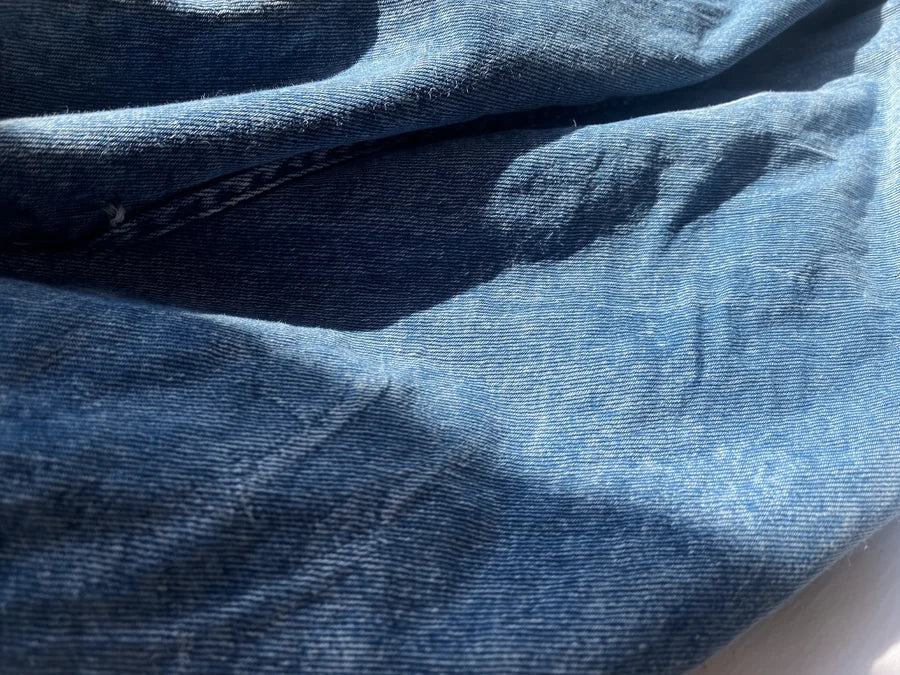
Denim changes slowly. Nothing here is designed to happen quickly.
Wear leaves marks that can't be planned or replicated. Each shift is a response, to posture, pace, routine.
Time becomes a quiet collaborator, not an event.
The jeans don't get better in a dramatic sense. They become familiar. Easier to reach for. The fabric begins to anticipate the wearer, not through precision, but through patience.

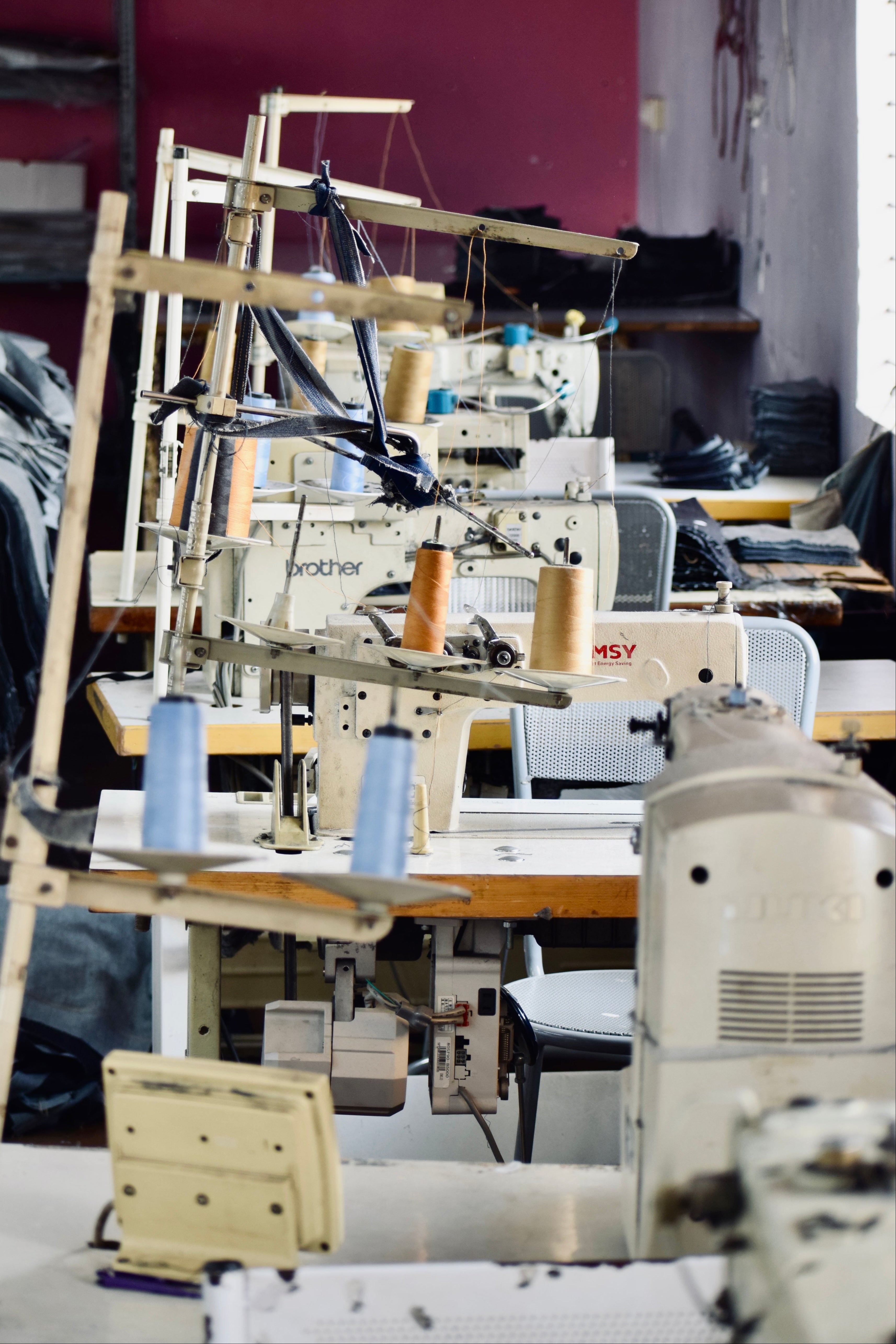
Process
Transparency, for us, begins with process.
Every decision is traced back to how the garment is made. From material sourcing to final finishing
Quality is managed through repetition and review. Work is checked at multiple points, not to create perfection, but to reduce inconsistency.
Responsibility is handled in the same way. We look closely at how choices affect durability, rework, and waste over time. Fewer corrections, fewer replacements, fewer shortcuts.
We do not rely on statements to define our approach.
We rely on how the work is carried out, every day.


Founder's Note
This is how we approach denim, how we think about material, construction, wear, and time.
What follows will take shape through this lens. Not rushed. Not reactive. Built on decisions that hold up to repeat use and long attention.
For now, this is simply an introduction.
To the thinking that guides everything that comes next.
Questions?